Industrial CO₂ laser coders
A laser marking system configured for your line.
Select the source, wavelength, optics, controller and integration equipment around the material, mark and production conditions—not a generic wattage alone.
Non-contact permanent marking
Clean coding for packaging and organic materials.
Industrial CO₂ laser marking machines use a focused infrared beam to create a controlled surface reaction. Depending on the substrate, that can mean ablation of a coating, colour change, surface etching or engraving.
Because the mark is created directly on the product or pack, there are no inks, make-up fluids or ribbons in the coding process. That can reduce routine consumable handling while producing a durable code that is difficult to rub away.
Typical outputs
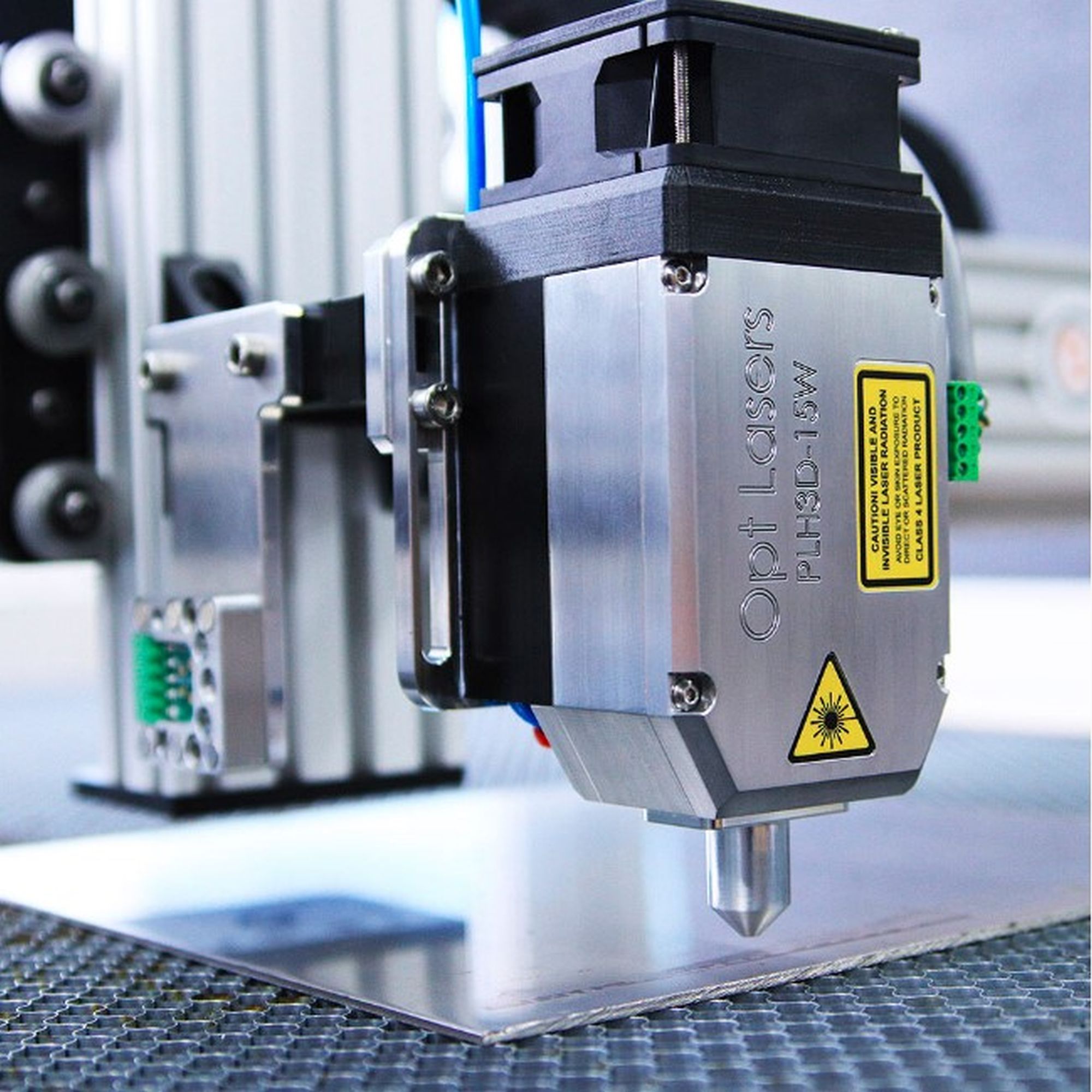
Choose a CO2 laser from an approved mark and process window
Select a CO2 marking system by testing the required code on representative materials across a defined operating range. Record the mark quality, effect on the pack and complete marking cycle together; a power rating alone does not answer those questions.
Build a sample matrix that exposes variation
List each material, colour, coating and supplier variation that must be approved. Include the thinnest or most variable construction where relevant. Keep the permitted marking area and any packaging-function restrictions with the sample. Approval of one coated carton, polymer or bottle should not silently extend to every material in that category.
Compare the complete code rather than a logo
Use production-size characters and the longest expected variable message. For a machine-readable symbol, define the encoded data and acceptance method before the trial. A large demonstration logo can look satisfactory while leaving the actual fine code unresolved. Keep visual appearance, decoding and specified verification results as separate observations.
Define the usable operating window
Record the trial setup, focus position, marking field and product presentation. Assess the variation the line genuinely introduces, such as height, speed and spacing. A setup that works at one carefully chosen position may need improved handling or a different optical arrangement before it is suitable for an ordinary shift.
Assess the installed station and lifecycle
Include extraction, enclosure, access, cleaning and maintenance in the proposed station review. The selected source and material require an application-specific assessment by competent designers. Decide when the identifier must remain readable after packing, transport or use and retain trial samples for the packaging owner to examine.
A worked planning example
Suppose two carton artworks use the same board but place the code on different coatings. Treat them as separate trial cases. Compare the required contrast, allowed surface effect and full message time for both, then define whether one approved setup covers them or whether a controlled recipe change is needed. This is a planning example, not a claim about an achieved speed or material result.
Acceptance questions to resolve
- Which material variants were tested and which remain outside the approval?
- Can the complete code be produced and checked within the available marking opportunity?
- What changes require a new sample trial or recipe approval?
- Are readability and the effect on the product both accepted?
For the next step, discuss this application using the examples and unresolved decisions above.
Is CO₂ the right technology?
Best suited to many non-metal materials.
CO₂ lasers are widely considered for cartons, labels, paperboard, many plastics, glass, wood, cork, leather and other organic materials. They are not the default answer for bare metals, where a fibre laser may be more appropriate.
Material names alone are not enough. Additives, pigments, coatings and production speed can change the result, so representative samples should be tested before purchase.
Project information
- Product
- Material, colour, finish, geometry and samples.
- Required mark
- Exact content, size, density and quality criteria.
- Production
- Speed, spacing, variation, shifts and environment.
- Mechanical
- Conveyor dimensions, access, orientation and focus stability.
- Controls
- Triggering, encoder, message selection and data source.
Complete production solution
The coder is one part of the marking station.
Oxford Traceability can engineer the mounting, adjustable supports, product sensing, shaft encoder, controller location, interlocked guarding and fume extraction around a new or existing conveyor.
We can also discuss code verification, upstream and downstream signals, line-stop behaviour and operator access. That integrated view is important when the mark is a critical traceability control.
Explore production-line integration ↗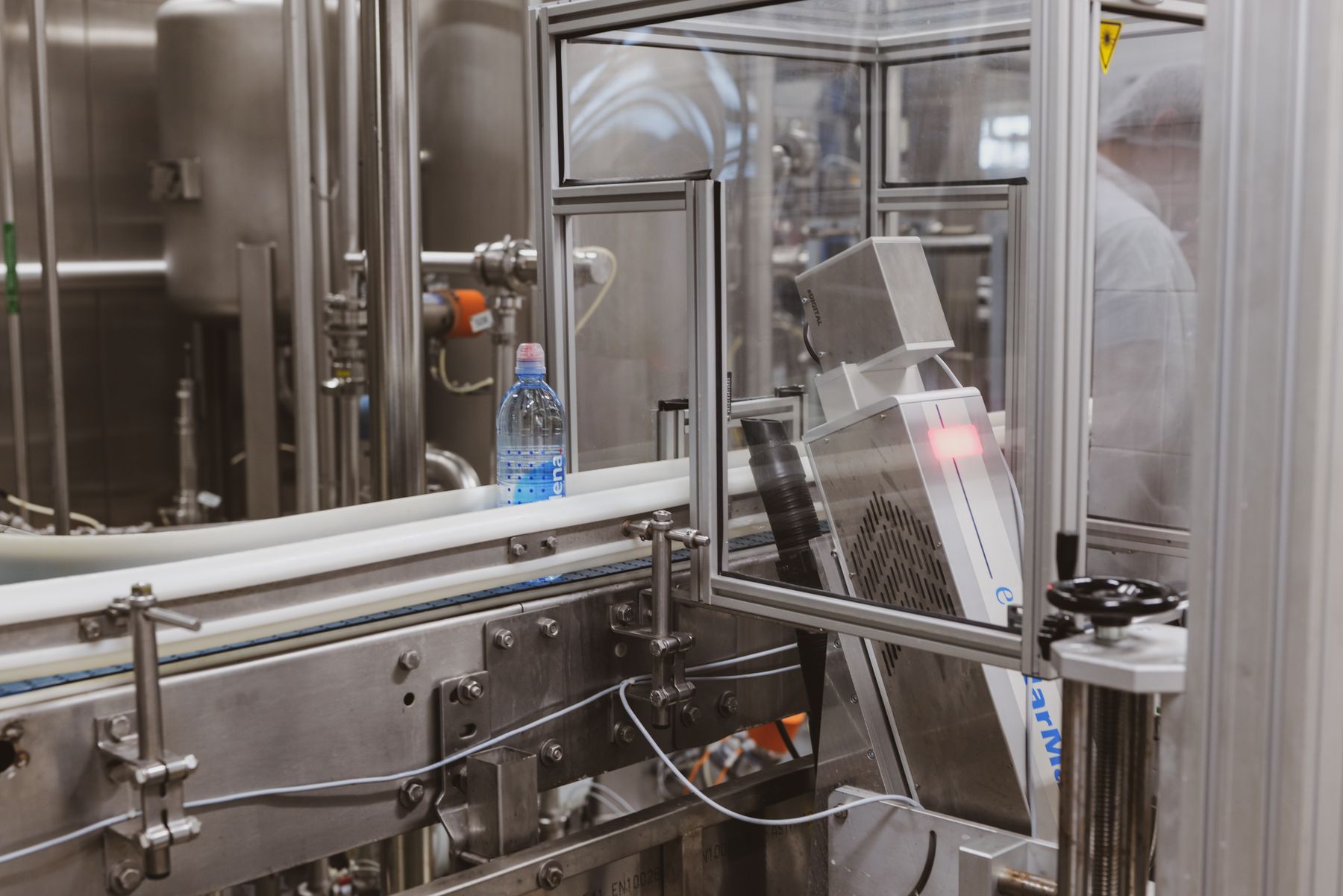
Useful specification guides
Make the next decision with better information.
What can an industrial CO2 laser marking machine mark?
A CO2 laser is commonly used to mark paperboard, coated packaging, wood, glass and compatible polymers. Mark contrast and damage risk depend on the exact material and finish, so production samples should be tested before specification.
Questions buyers ask before specification
Can a CO2 laser mark plastic?
Some polymers mark well, but formulation, additives, colour, thickness and required contrast vary; the real production material should be trialled.
Can a CO2 laser mark bare metal?
CO2 is not normally the first choice for direct marking of bare metal; fibre or another process may be more appropriate depending on the mark requirement.
Can it create barcodes or Data Matrix codes?
It can on suitable materials when cell size, contrast, focus, movement and downstream verification are designed together.