Glass composition
Container formulation and stress condition affect how the surface responds to laser energy.
CO₂ laser marking for glass
Integrate non-contact laser coding into beverage, food, cosmetic and industrial glass lines with the mark and handling proven before specification.
Application-led specification
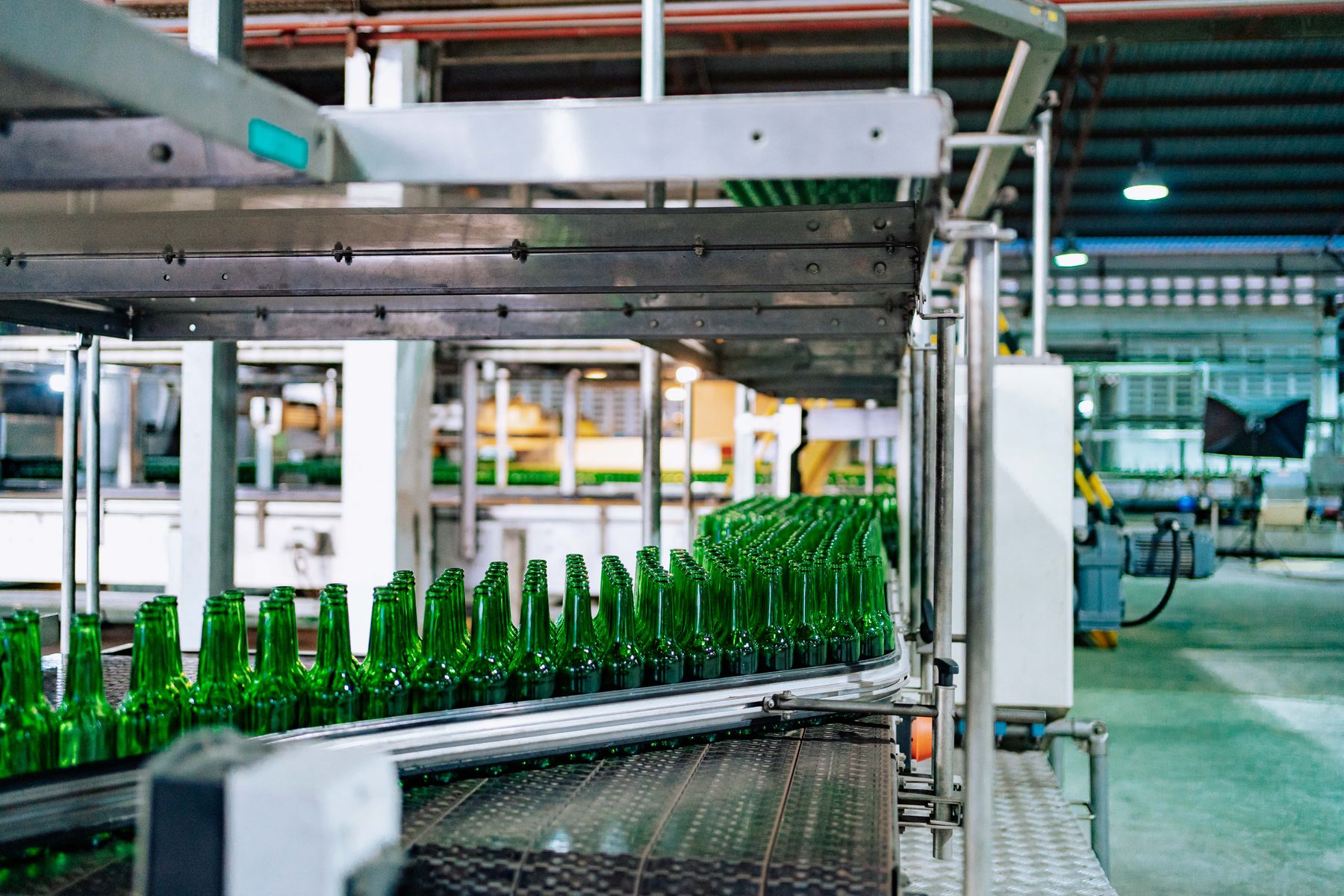
CO₂ laser energy can produce a frosted surface mark on suitable glass. It is used for dates, lots, traceability data and graphics where a permanent, non-contact code is needed.
Glass composition, wall thickness, residual stress, bottle movement and code density all matter. Trials assess legibility and help manage the risk of unacceptable micro-fracturing or cosmetic impact.
What we assess
The substrate is only the start. A reliable production result comes from matching the laser, optics, material response and line conditions.
Container formulation and stress condition affect how the surface responds to laser energy.
Dense graphics and 2D codes require careful control of energy, spacing and mark size.
Rails, guides and conveyor conditions must hold the marking area consistently.
Moisture, condensation and cleaning practices inform housing and mounting decisions.
Readability, permanence and cosmetic limits are agreed and checked on real samples.
Laser guarding, interlocks and controlled access are engineered into the installation.
Sample marking trial
Material colour, coatings, additives, surface condition and line speed can materially change the result. Send representative samples and the code you need. We will use that evidence to guide specification.
Useful trial information: production speed, code dimensions, marking window, product orientation, environment and the quality or verification standard you need to meet.
Typical project scope
Useful specification guides
Planning a laser marking project?
Send us your product, code requirement and line speed. We’ll advise on the right next step.
Request an application review →