Polymer and additive
Pigments, fillers and laser-sensitive additives influence colour change and contrast.
CO₂ laser marking for plastics
Create permanent production data on bottles, containers, labels and flexible packs where the material response supports a clear, controlled mark.
Application-led specification
CO₂ lasers can mark many plastics by causing a controlled colour change, surface reaction or ablation. The same polymer family can behave differently because of pigments, fillers, additives, thickness and surface finish.
A representative sample trial is therefore central to specification. We assess contrast, heat effect, edge definition, permanence and achievable line speed before the laser and optics are selected.
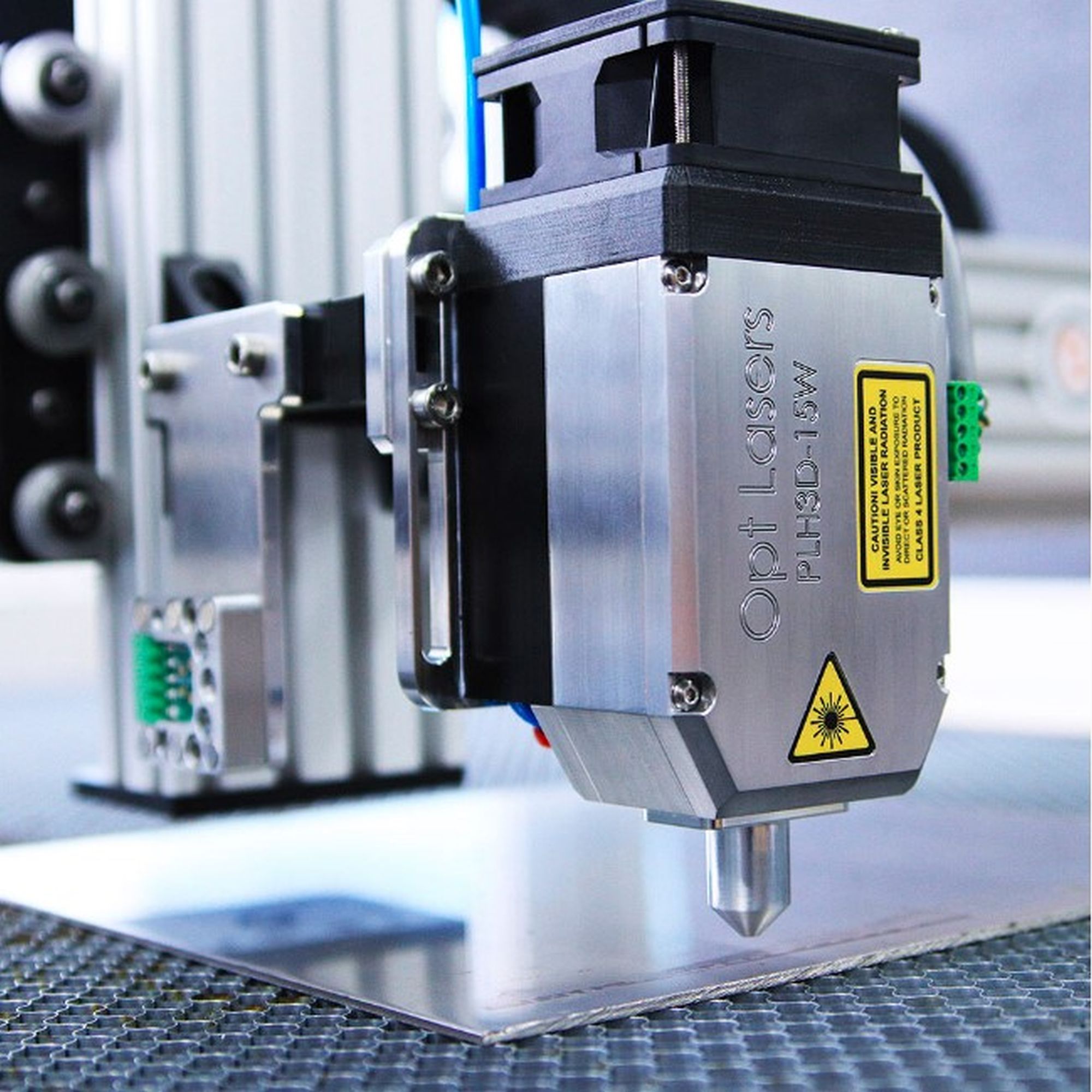
What we assess
The substrate is only the start. A reliable production result comes from matching the laser, optics, material response and line conditions.
Pigments, fillers and laser-sensitive additives influence colour change and contrast.
Testing checks that the desired mark is achieved without unacceptable melting, distortion or penetration.
Curves, mould lines and height variation affect focus and available marking area.
Encoders and stable product handling support clean codes on moving production lines.
The laser wavelength and optics are matched to the material response and required quality.
Barcode and 2D-code requirements are tested at the intended size and speed.
Sample marking trial
Material colour, coatings, additives, surface condition and line speed can materially change the result. Send representative samples and the code you need. We will use that evidence to guide specification.
Useful trial information: production speed, code dimensions, marking window, product orientation, environment and the quality or verification standard you need to meet.
Typical project scope
Useful specification guides
Planning a laser marking project?
Send us your product, code requirement and line speed. We’ll advise on the right next step.
Request an application review →