CO₂ laser coders
Power, wavelength, lens and scan head selected to suit the material, marking field and production speed.
CO₂ laser marking machines UK
Specify and integrate a reliable CO₂ laser marking system for packaging, paperboard, plastics, glass, wood and organic materials.
Choose a CO2 laser from an approved mark and process window: Select a CO2 marking system by testing the required code on representative materials across a defined operating range.
Built around your production line
Oxford Traceability helps UK manufacturers move from ink-based coding to clean, permanent CO₂ laser marking. We start with your substrate, code and line conditions—then engineer the complete application.
Arrange a sample trial ↗Power, wavelength, lens and scan head selected to suit the material, marking field and production speed.
Mounting, product sensing, shaft encoders, communications, guarding and extraction designed as one system.
Simple message selection for dates, batches, variable data, logos, QR and Data Matrix codes.
Representative sample marking and code assessment before final specification, with documentation options discussed early.
Materials & applications
Every material reacts differently. We confirm contrast, permanence and readability using your samples.
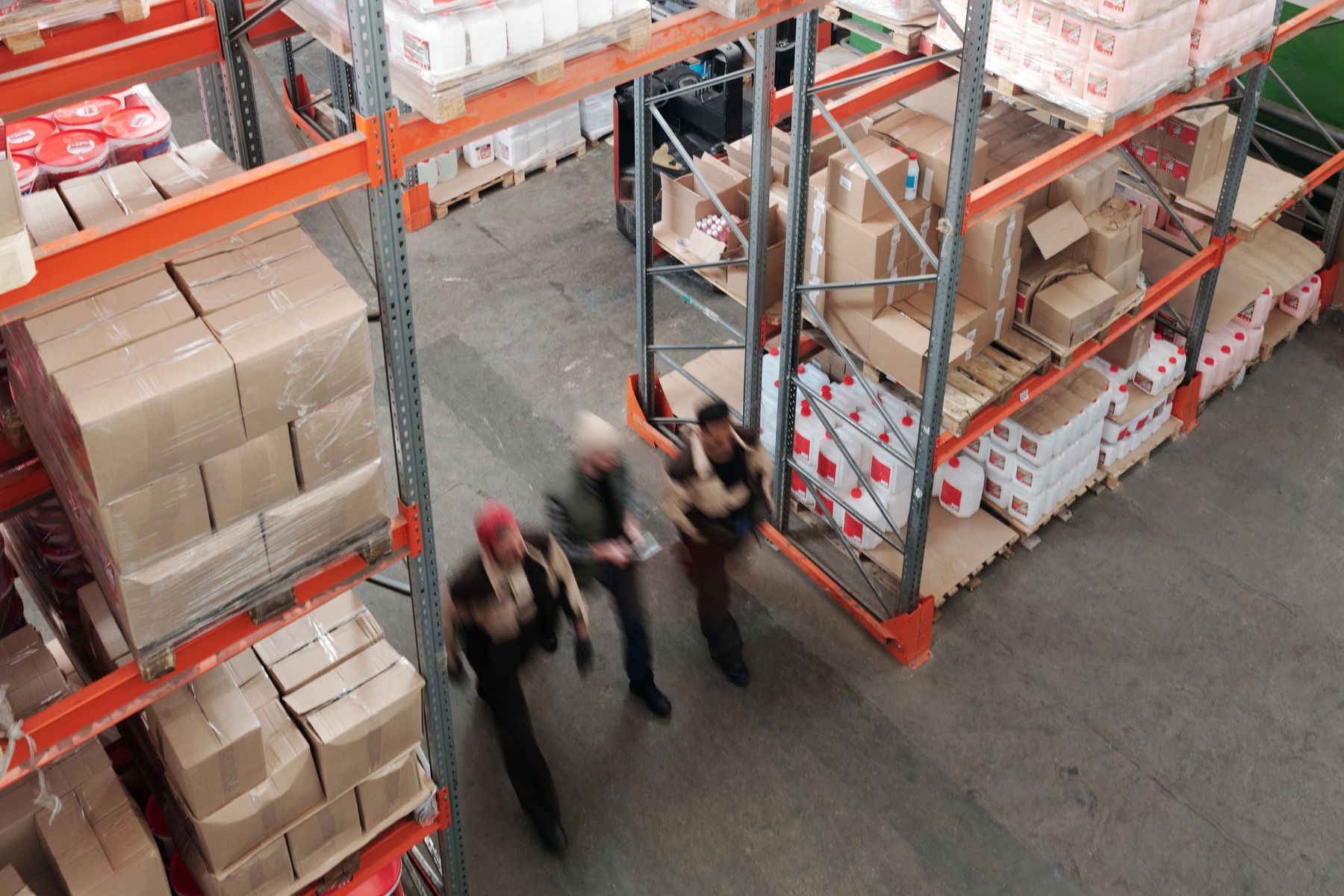
Permanent batch, date, lot and traceability codes on cartons, sleeves, labels and coated paperboard.
Explore application →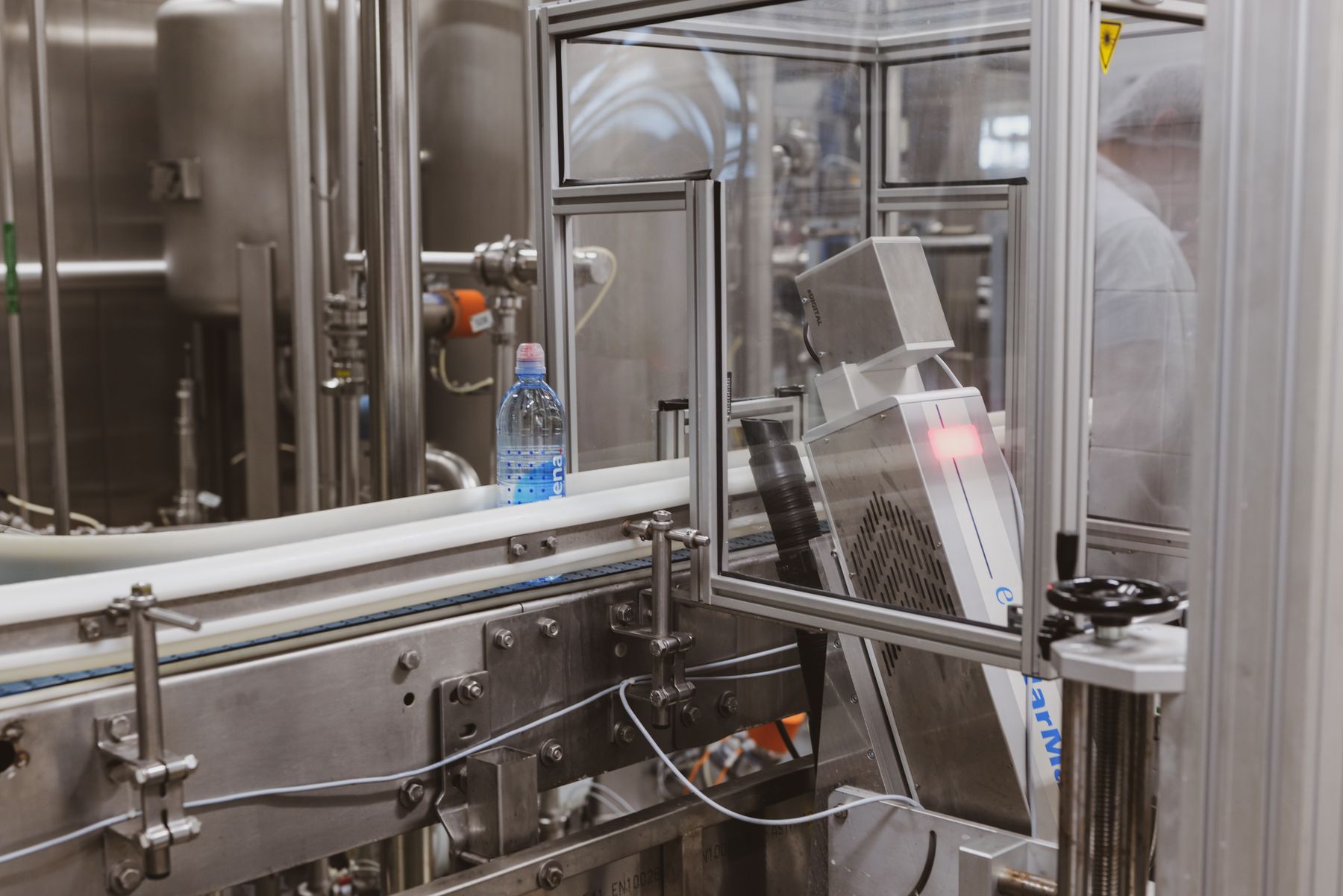
High-contrast marking on compatible PET, HDPE, PVC, foils and flexible packaging, subject to sample testing.
Explore application →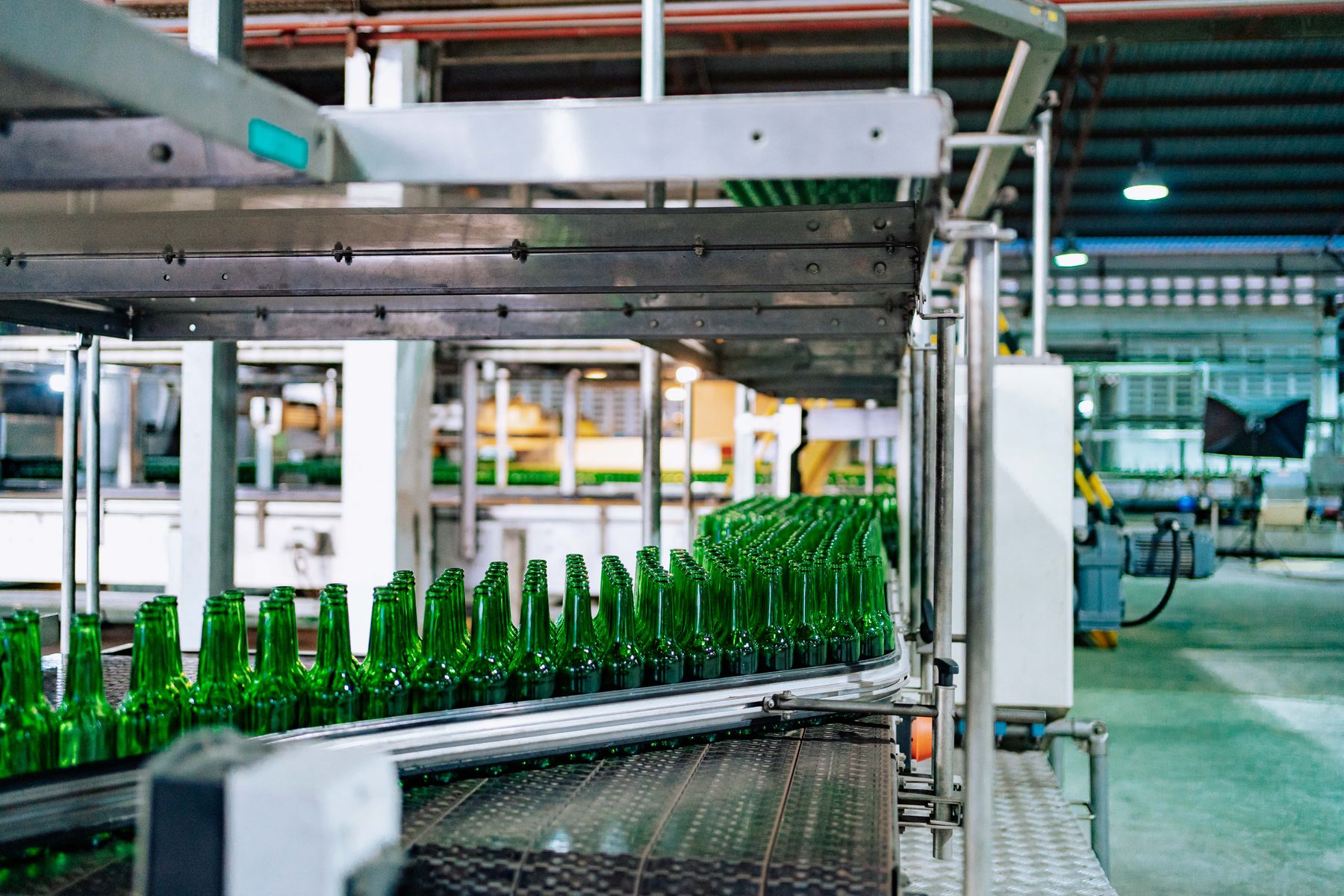
Non-contact codes for bottles, jars and beverage lines, engineered around line speed and container handling.
Explore application →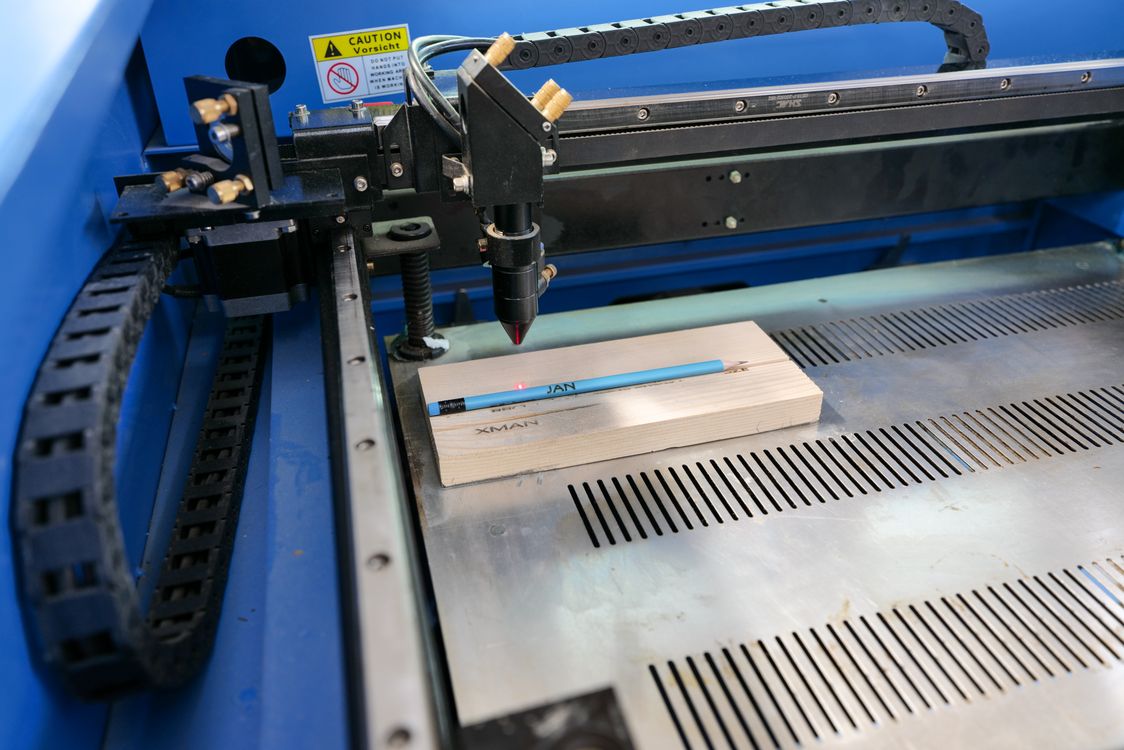
Clean logos, identifiers and production data on timber, cork, leather and selected organic materials.
Explore application →
Complete integration
A dependable installation depends on product presentation, correct focal distance, line-speed compensation, safe guarding and effective fume extraction. We bring those details together from the start.
Product, code, speed, environment and controls reviewed.
Brackets, cabinets, sensors, encoders and interfaces engineered.
Guarding, interlocks and fume control considered as part of the cell.
Setup, code creation, changeovers and routine care covered.
Mark what matters
A controlled route to production
We reduce application risk by proving the mark and integration assumptions before equipment is finalised.
Share products, required codes and your line information.
Assess contrast, permanence, quality and achievable speed.
Define laser, optics, mounting, controls, guarding and extraction.
Commission the system, train operators and plan ongoing support.
CO₂ laser buyer guides
Compare technologies, understand installed cost and define wavelength, code quality and safety requirements before equipment selection.
Frequently asked questions
Have a different question? Speak to our team about your product and production line.
01865 362785 ↗CO₂ systems are commonly used on paperboard, coated packaging, many plastics, glass, wood, leather and other organic materials. The exact result depends on colour, additives, coating, line speed and the required code, so we recommend testing your actual samples.
Yes. We can engineer the mounting, guarding, extraction, product detection, encoder and controls around an existing conveyor or supply a complete integrated marking station.
A correctly specified system can mark text, logos, serial numbers, 1D barcodes, QR codes and Data Matrix codes. Code size, product movement and substrate response are confirmed during application testing.
Laser marking does not use inks, make-up fluids or ribbons. Routine requirements can include lens care, extraction filters and planned servicing, depending on the application and environment.
Send samples, the required mark, material details, production speed, available marking window, conveyor dimensions, environment and any communication requirements. We will then recommend a practical configuration.
Start with your application
Tell us what you need to mark, your production speed and the code required. We’ll come back with the right technical questions and a clear next step.
An industrial laser-marking enquiry becomes useful when it identifies the exact packaging surface, required code and time available to make the mark. A material name or laser power alone is not a complete specification.
Send printed and unprinted areas, colour or coating variants and the intended marking position. A result on one clean sample should not be extended to every pack in the range. The sample-marking trial guide explains the inputs for a representative assessment.
Use the real message, maximum variable-data length, character size and any machine-readable symbol. A short date and a dense code impose different marking tasks. Assess the finished code after the normal handling expected on the line.
Contrast and permanence concern the visible mark; verification of the printed value concerns the active job data. Agree both checks, including a wrong message, unreadable mark and missed product. Use the 2D-code guide where encoded data is part of the requirement.
The laser-versus-inkjet comparison should use the same code, substrate range, operating pattern and acceptance criteria. Include product presentation, line sensing, message control, routine care and the planned enclosure and extraction arrangements; do not treat the laser source price as the installed project cost.
Keep marked samples and their material references with trial conditions, acceptance results and unresolved limitations. Confirm the proposed integration against the real line before final selection, using the production-line integration scope and the existing safety and extraction guidance.
Planning a laser marking project?
Send us your product, code requirement and line speed. We’ll advise on the right next step.
Request an application review →